Living Catchment Programme strengthens collaboration in Vhembe through stakeholder engagement
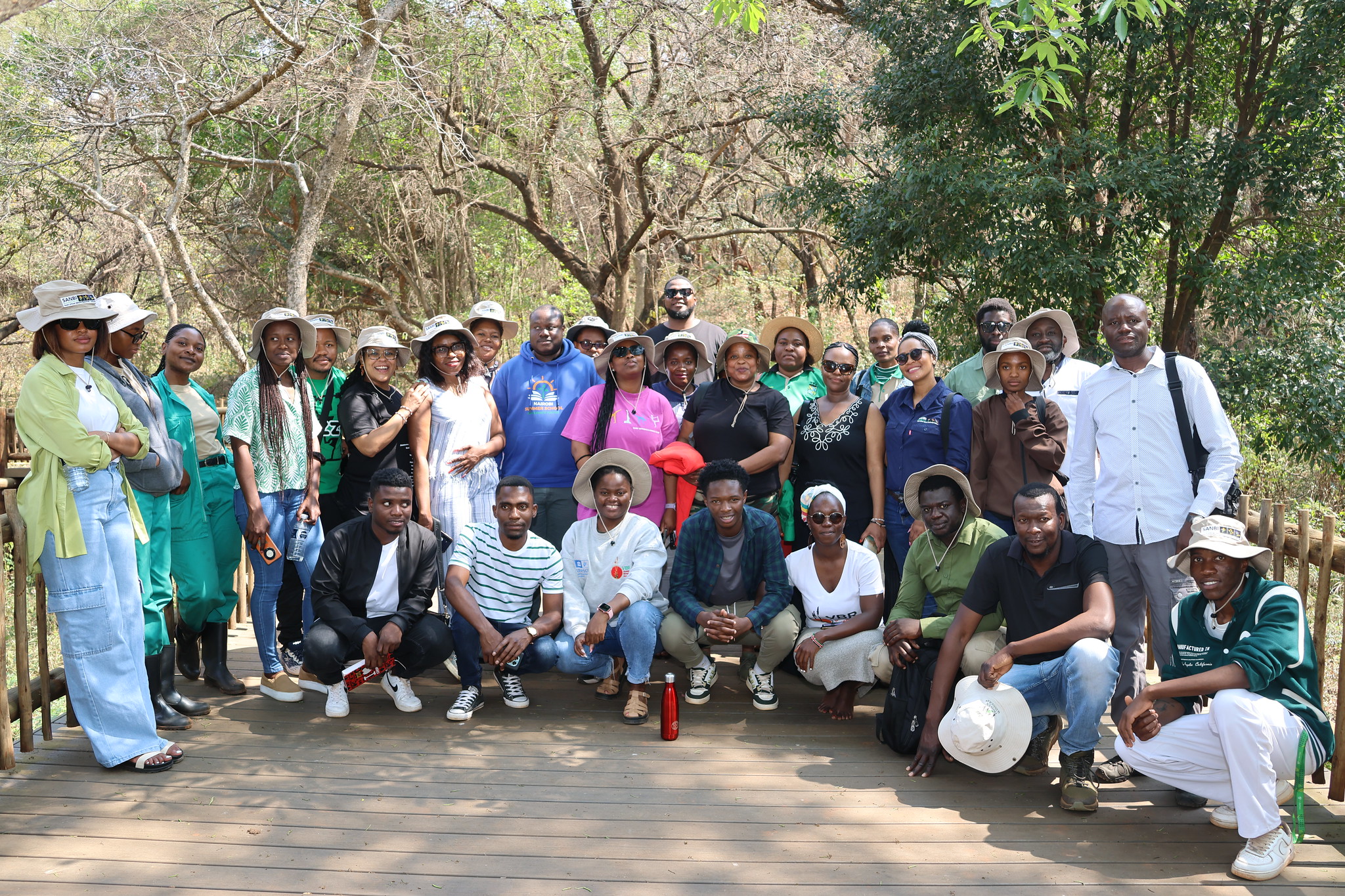
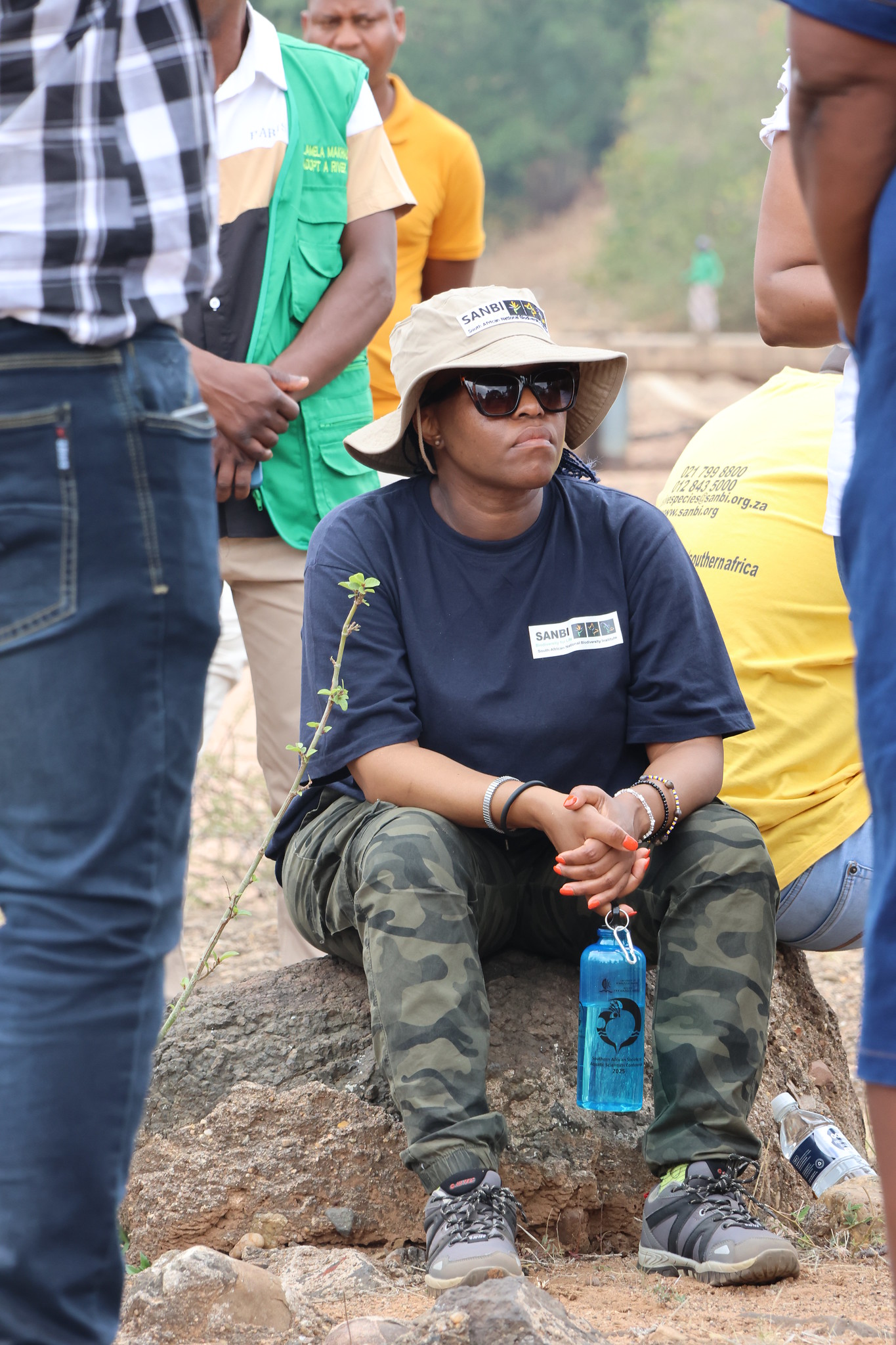
The Living Catchments Programme (LCP) represents a collaborative initiative designed to enhance water security by safeguarding, restoring, and sustainably managing ecological infrastructure. By bringing together communities, government entities, research institutions, and private sector collaborators, the program creates a platform for communication, shared learning, and collective efforts to address water-related challenges. This vision was evident during the recent stakeholder engagement in the Vhembe District Municipality from 2 to 4 September 2025, where diverse perspectives were gathered to develop strategies for sustainable catchment management. The engagement combined learning with practical application through a comprehensive range of activities. Participants engaged in site visits that showcased community-led initiatives and highlighted practical solutions to water security issues.
One of the sites we visited was Dziphathu Green Tech, where a young visionary named Phathutshedzo Dziphathu uses solid waste to create everyday products, such as plastic brooms, paving bricks, seed-infused pencils and eco-briquettes. This environmentally friendly waste management system has not only helped to reduce pollution in the community but has also created jobs, particularly for young people and women.
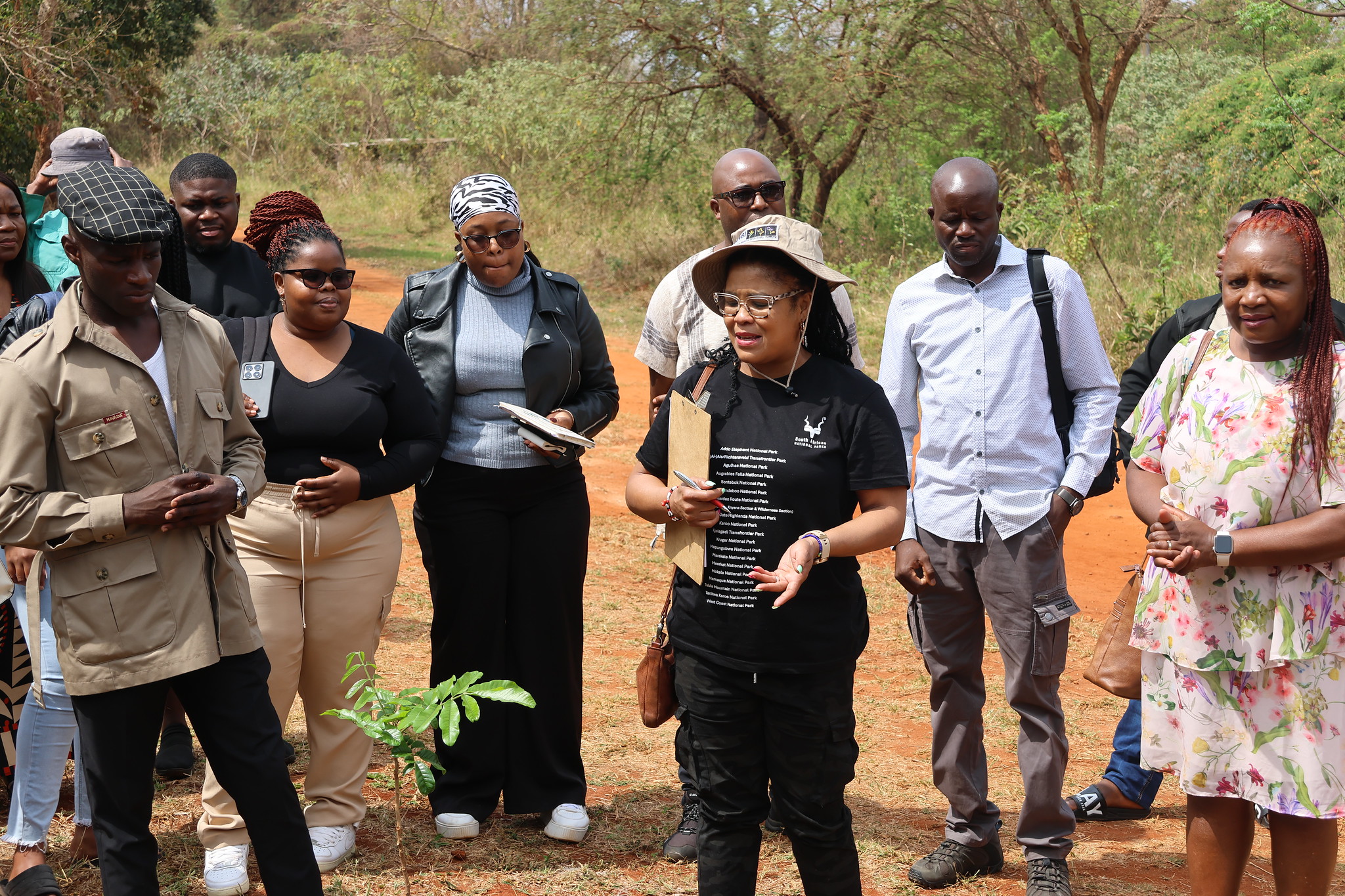
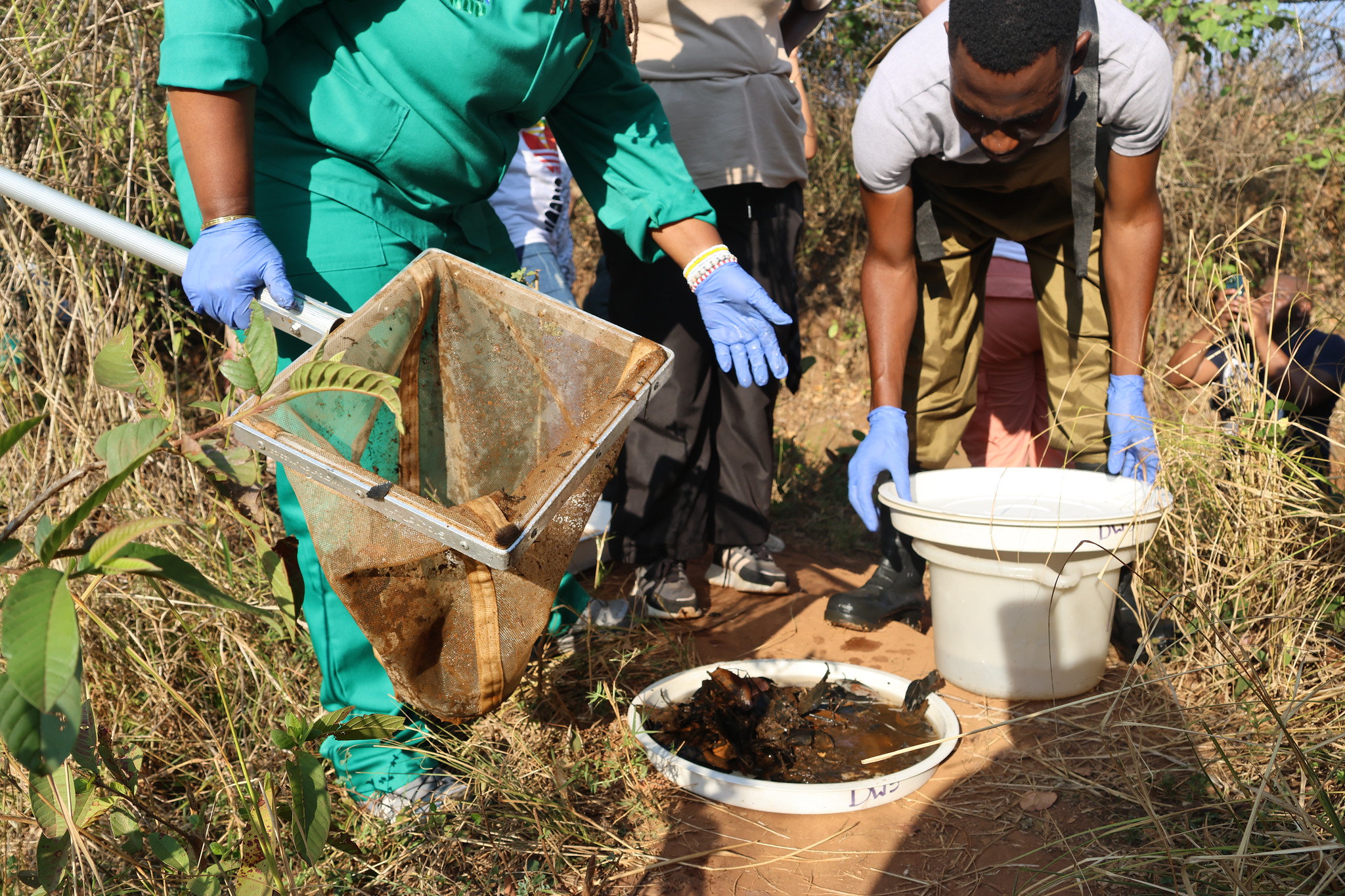
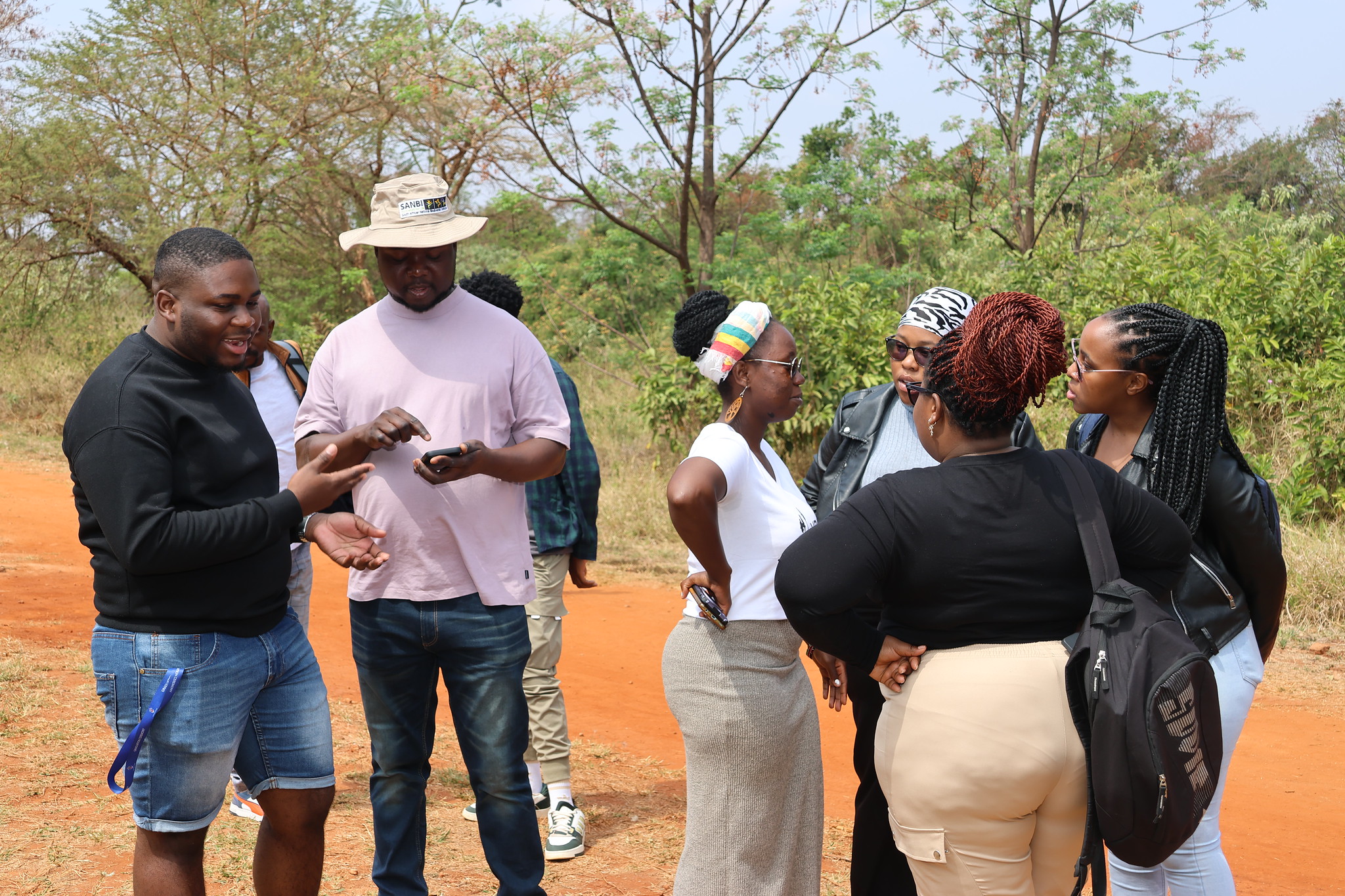
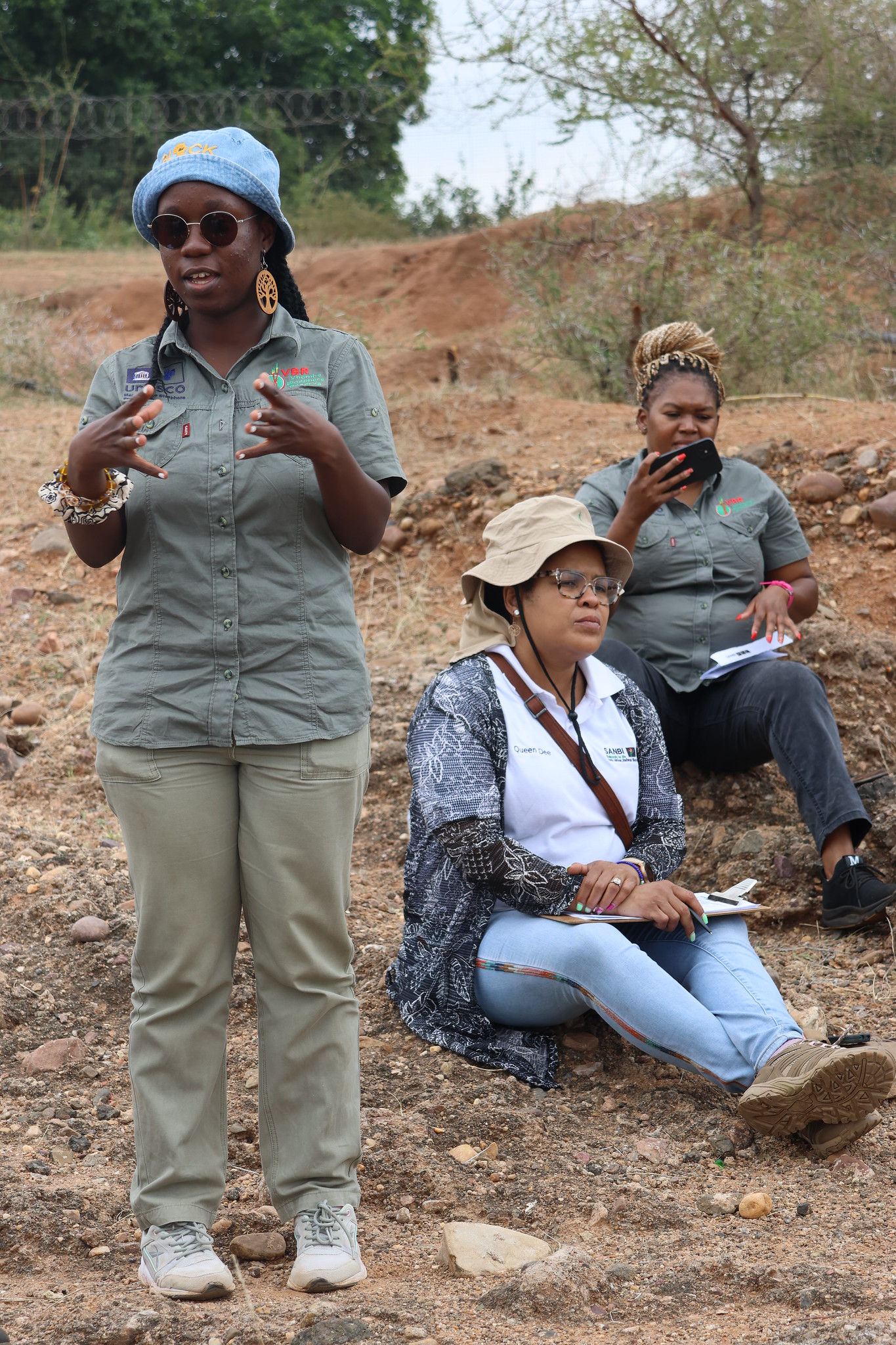
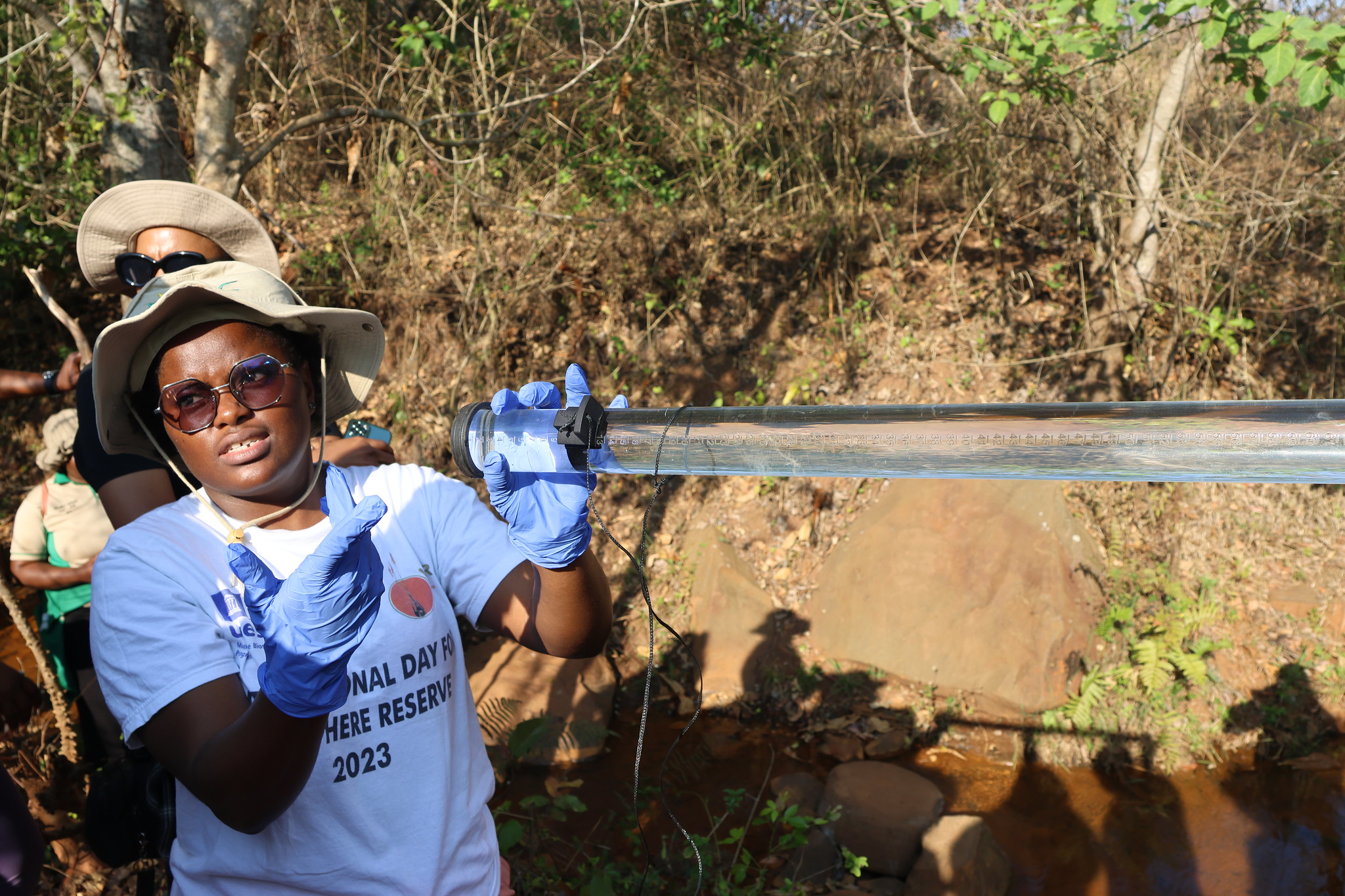
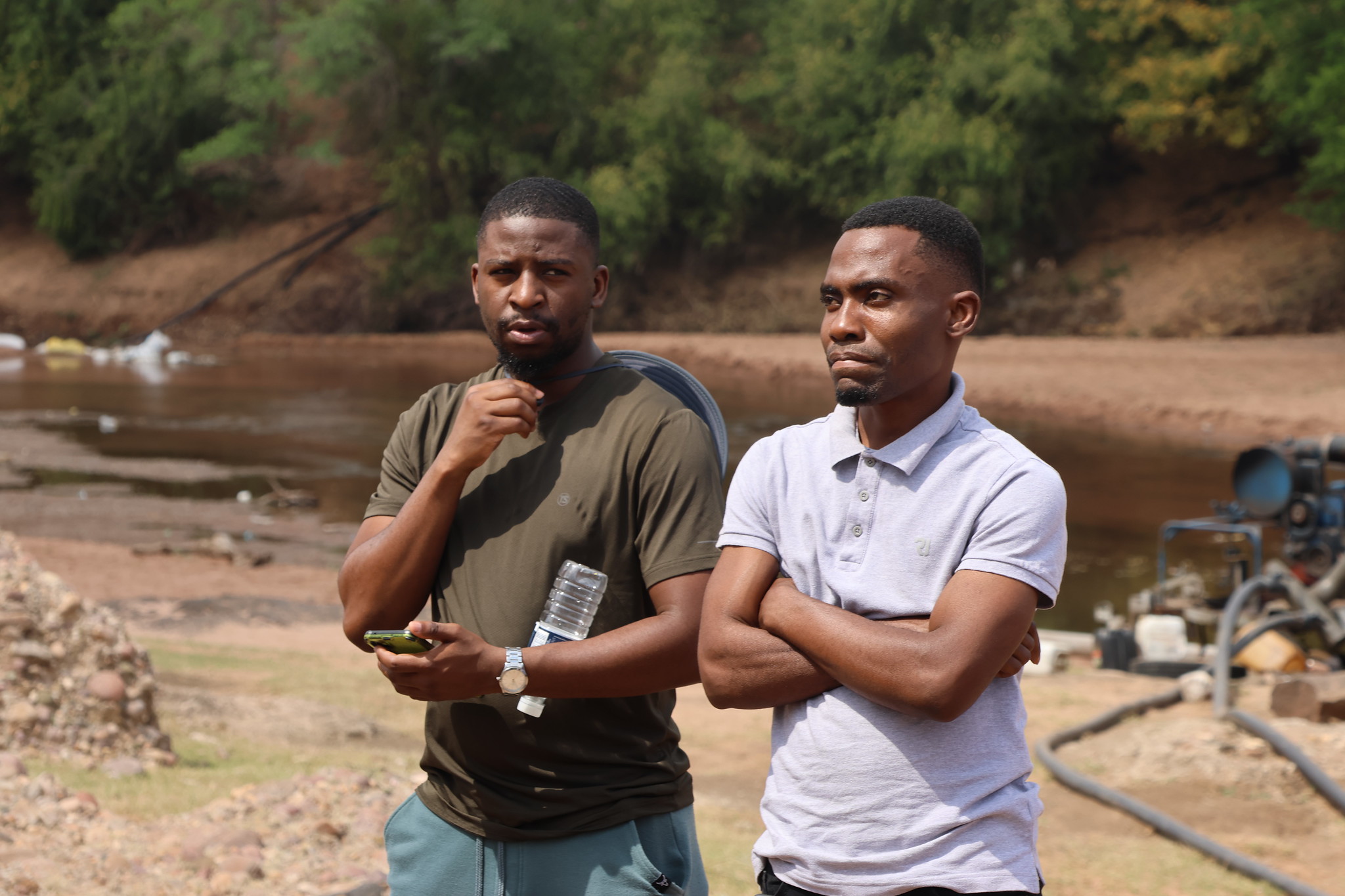
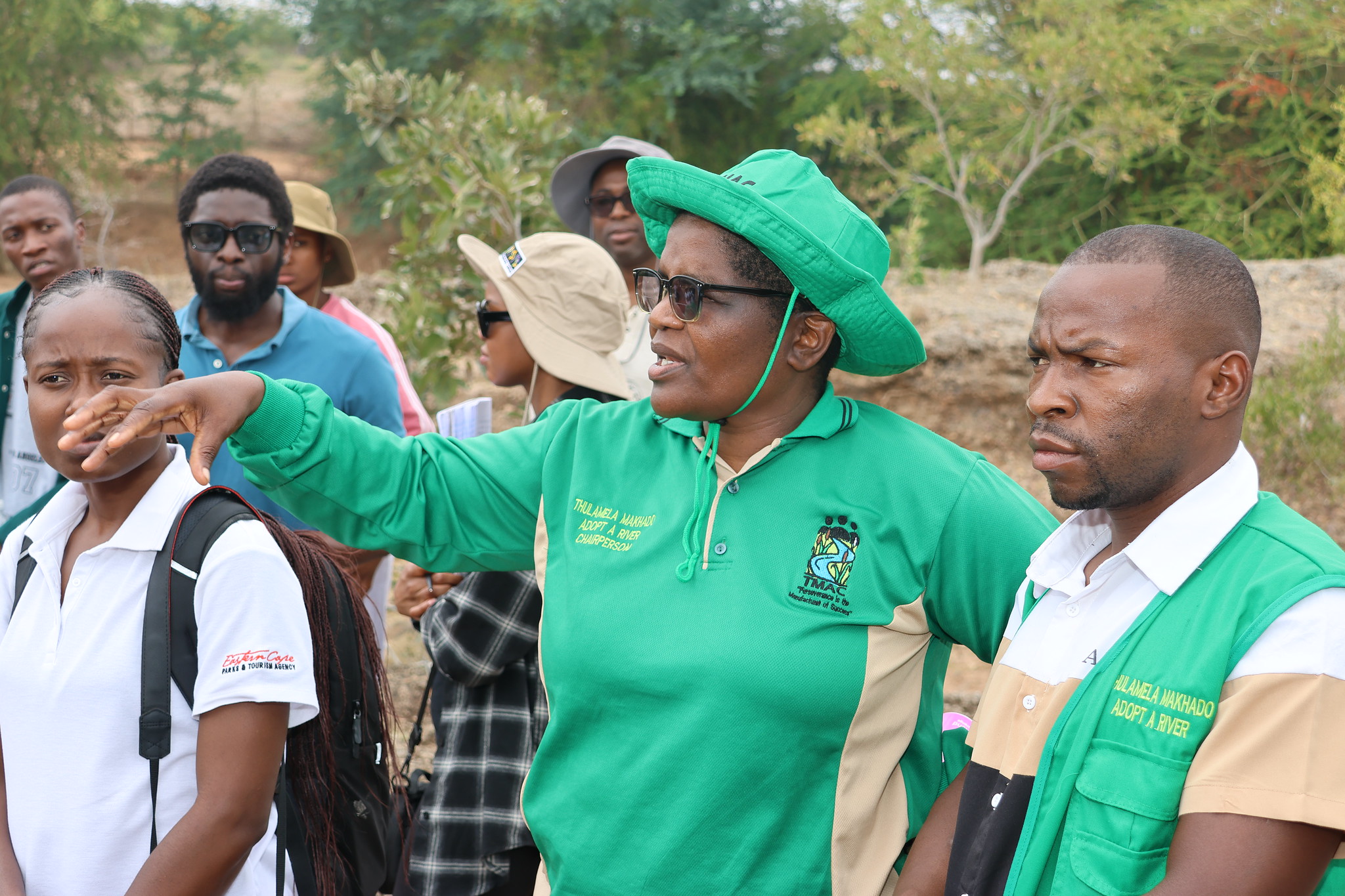
Beyond waste innovation, participants also visited initiatives rooted in cultural and ecological heritage. One of the highlights was a demonstration at Tshikofokofo Spring, a protected site considered sacred by the Mavhola village and the surrounding communities, who depend on this spring for their water supply. The Tshivhase Magwaba Agriculture Cooperative (TMAC) has been utilizing indigenous knowledge to safeguard this spring, including planting trees around it to promote water rejuvenation. A Citizen Science demonstration of the spring water and surrounding river was conducted by the Vhembe Biosphere Reserve (VBR), supported by the Department of Water and Sanitation.
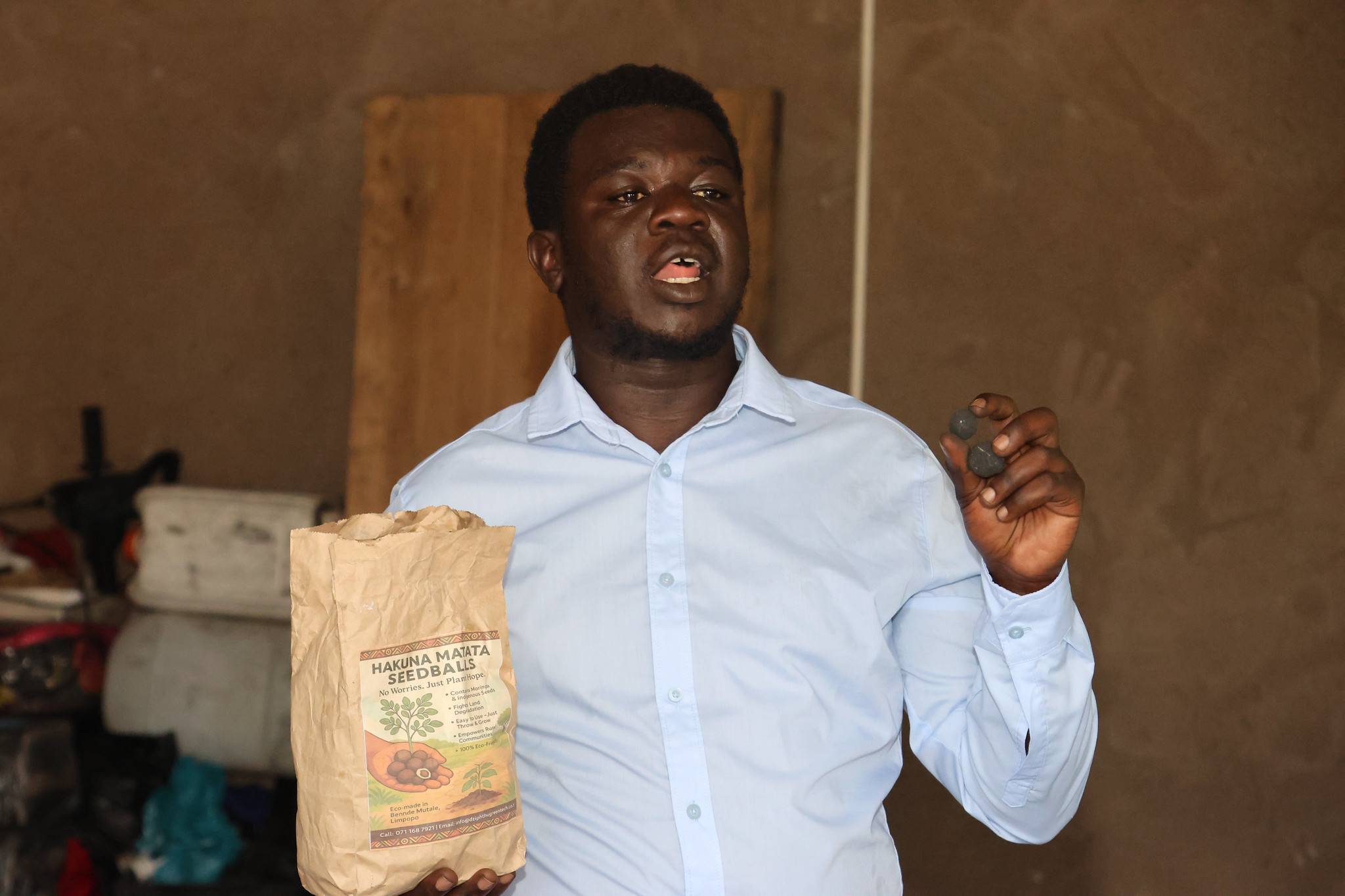
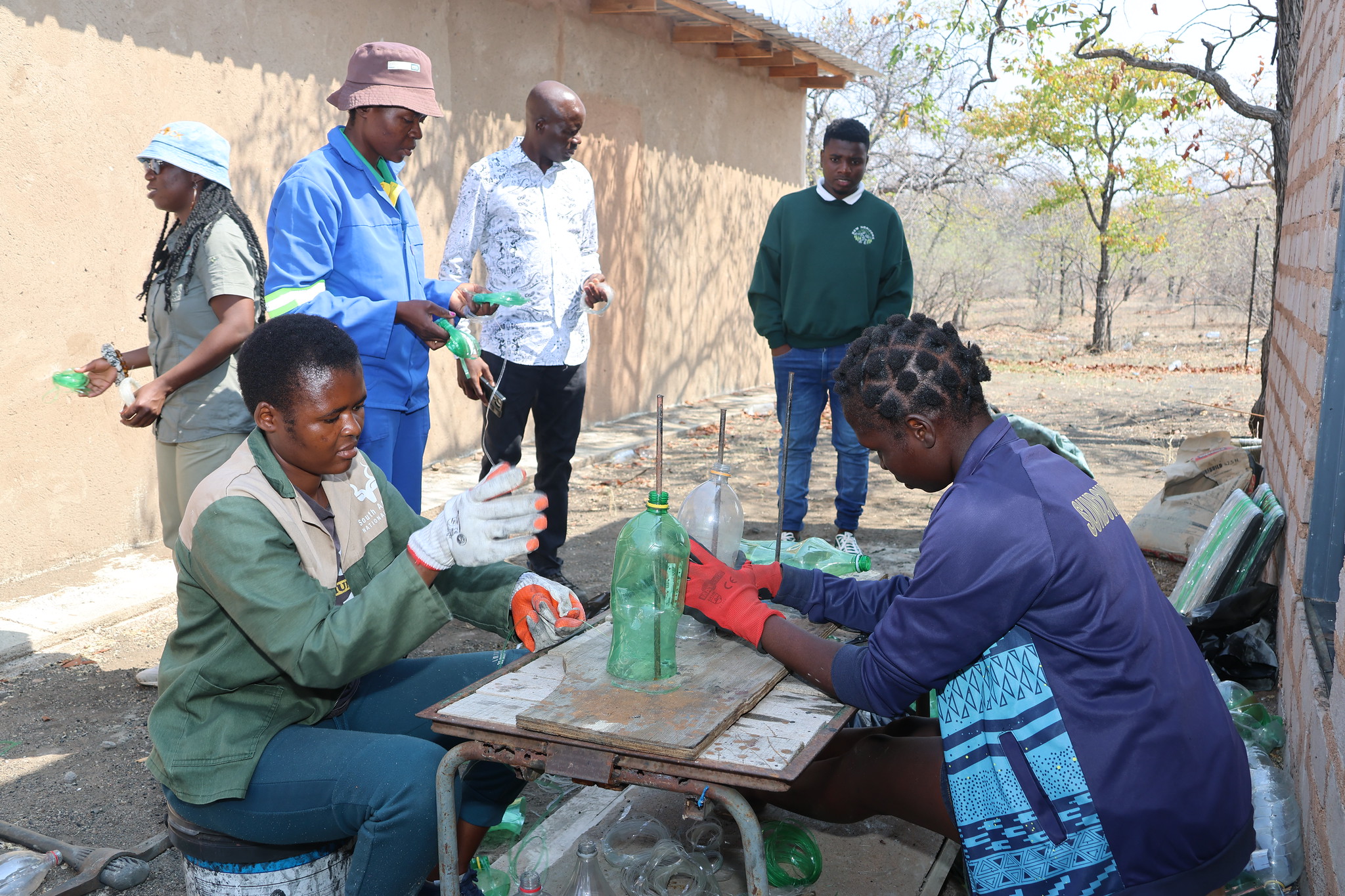
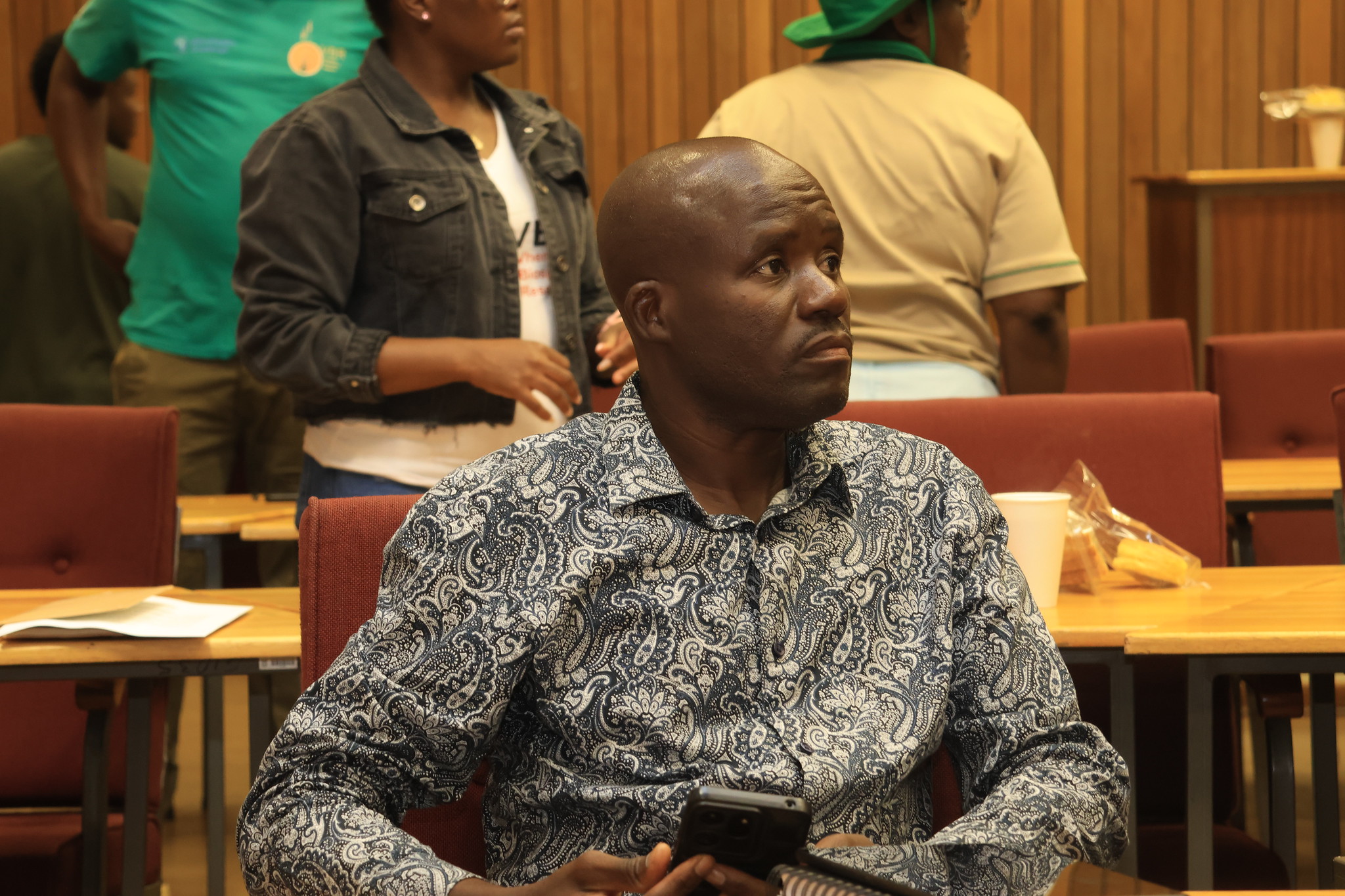
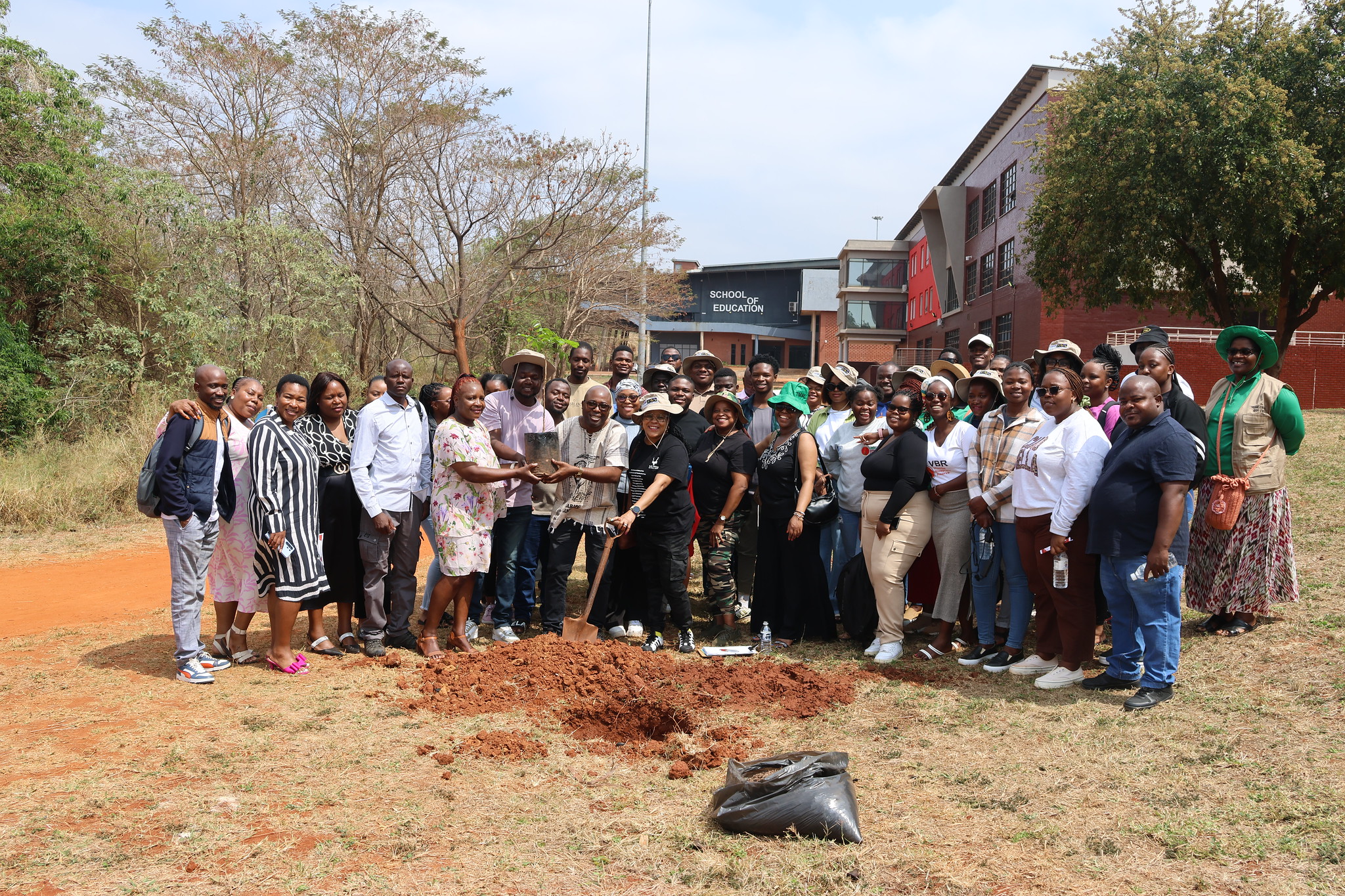
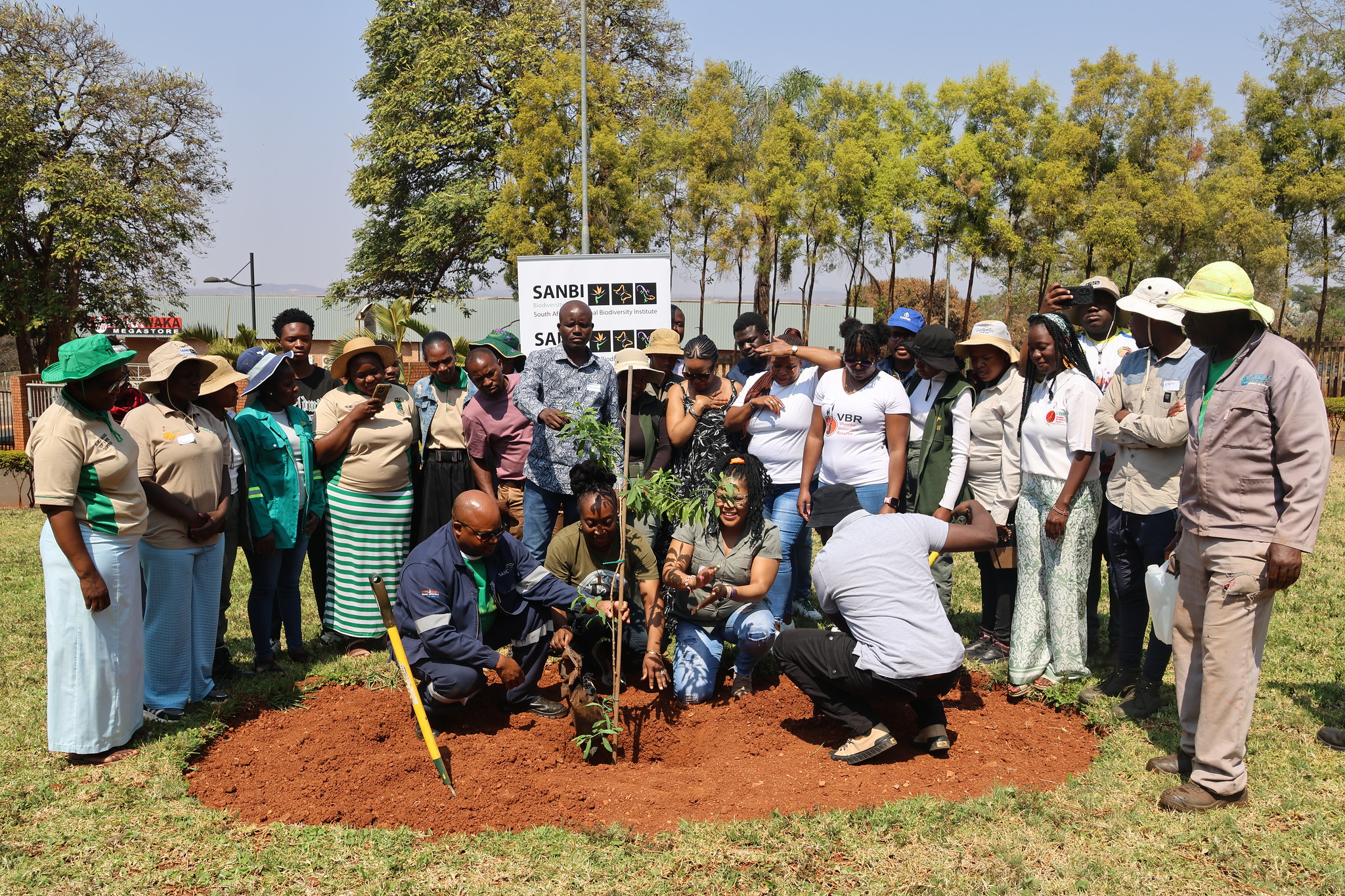
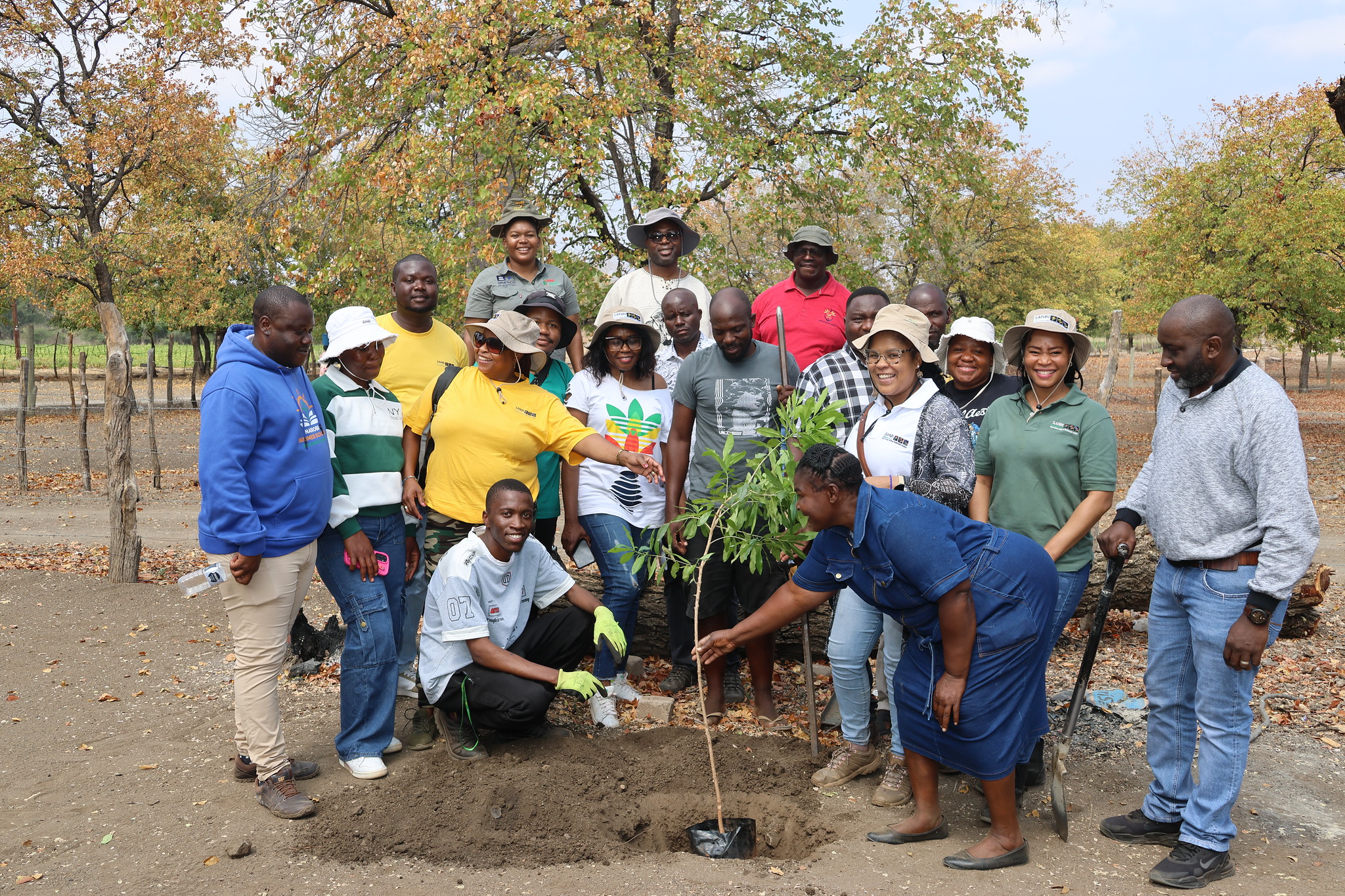
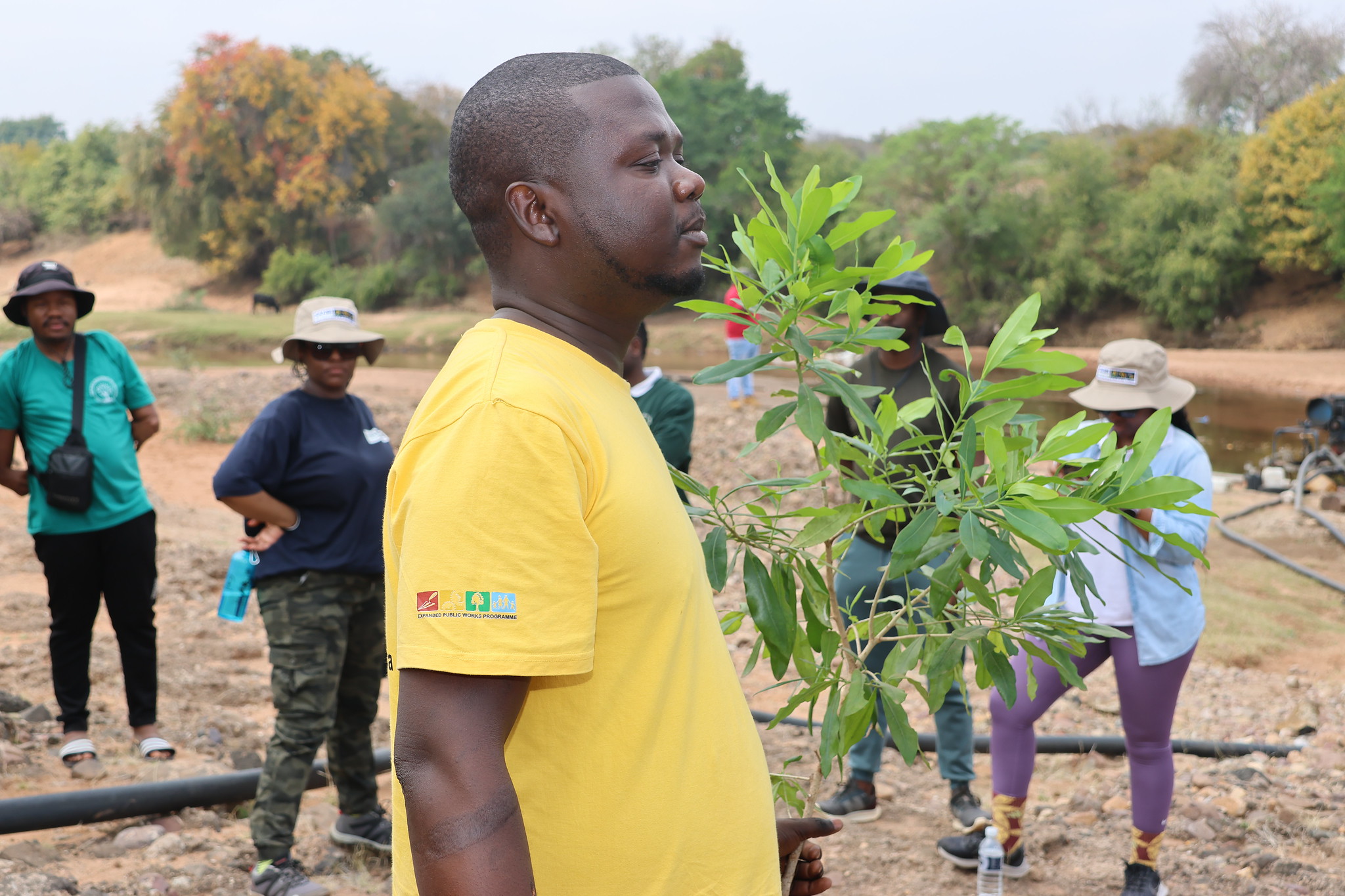
Building on this theme of restoration through trees, a ceremonial tree-planting event brought together stakeholders in a symbolic act of restoration and sustainability, highlighting their shared responsibility to preserve ecosystems for future generations. Coinciding with Arbor Week, the event allowed stakeholders to plant five indigenous trees, while the Bennde Mutale community used the moment to raise awareness about deforestation, noting the significant loss of indigenous trees along the Mutale River, a challenge worsened by high unemployment in the area.
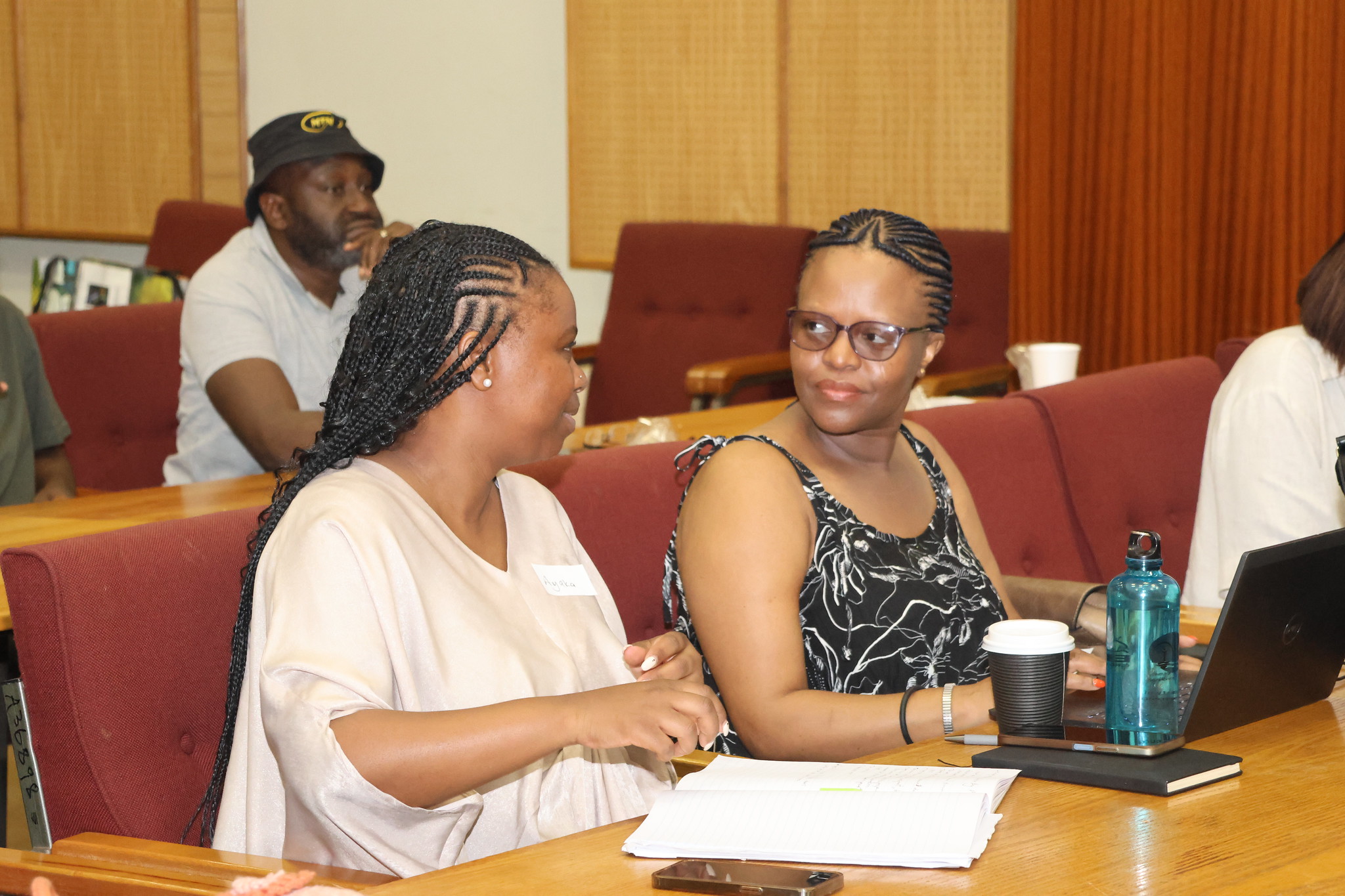
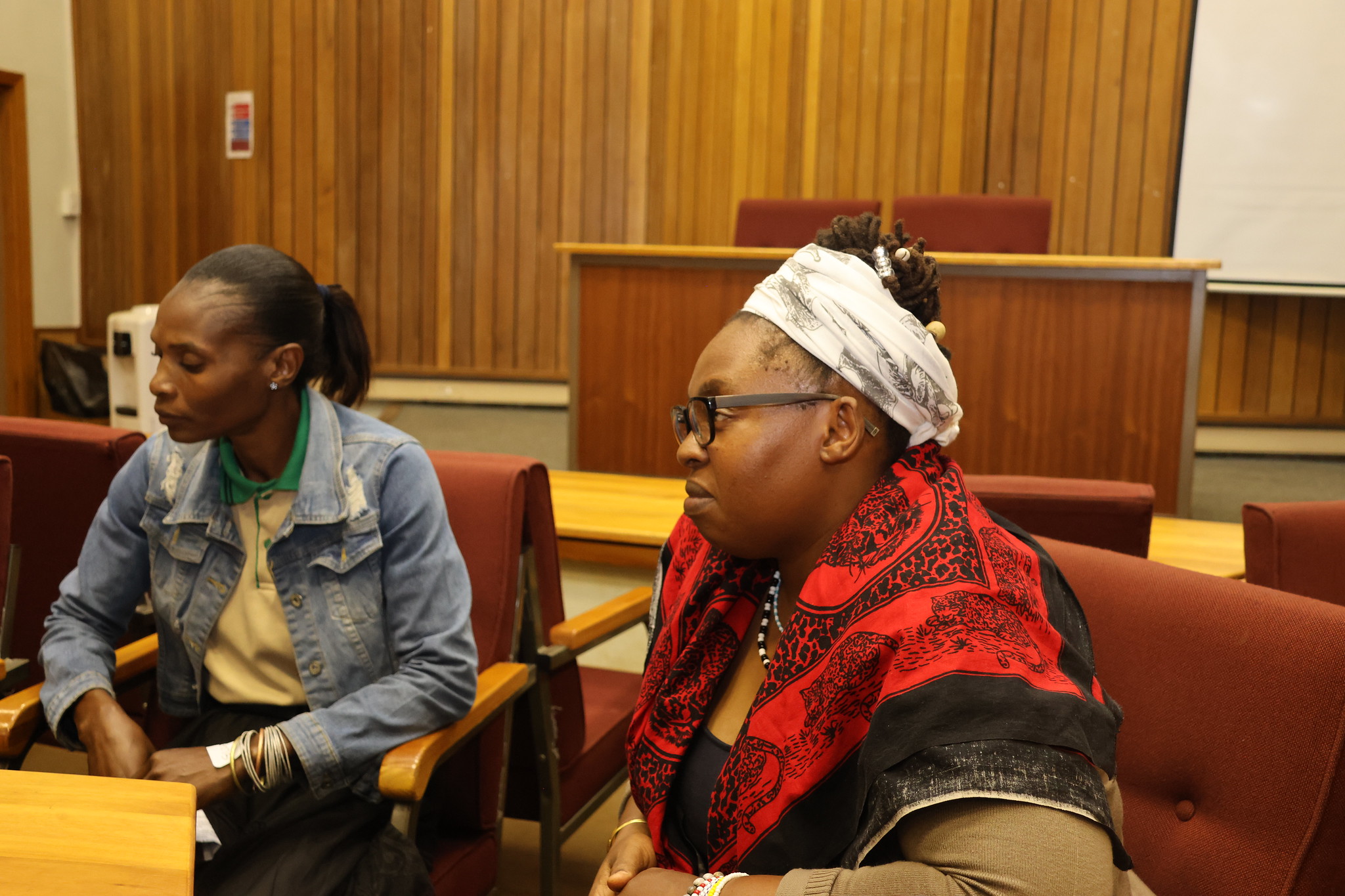
Moreover, group discussions and interactive presentations offered an engaging platform for knowledge sharing. These sessions allowed participants to pinpoint challenges, exchange lessons learned, and collaboratively create solutions suited to the local context. Topics covered governance, restoration strategies, and community involvement, with a pronounced focus on ensuring inclusivity. The significance of actively involving youth, women, and people with disabilities was emphasized as vital for fostering strong community ownership of ecological infrastructure initiatives.
Presentations also highlighted the necessity of capacity building, concentrating on empowering communities with the skills needed to independently design, manage, and monitor restoration activities. The incorporation of indigenous knowledge alongside scientific techniques was acknowledged as a crucial aspect for crafting effective and relevant solutions. Furthermore, discussions opened pathways to develop a local biodiversity economy, featuring opportunities from managing invasive species to establishing small-scale green enterprises that mitigate waste and generate livelihoods.
The stakeholder engagement wrapped up with pledges to refine current concept notes, forge partnerships for proposal development, enhance communication through accessible knowledge products, and broaden participation across different sectors. By promoting dialogue, showcasing innovation, and strengthening collaboration, the Vhembe engagement illustrated the fundamental principles of the Living Catchments Programme: sustainable solutions for water security can only arise through collective efforts, trust, and a shared sense of responsibility for the landscapes that support us.